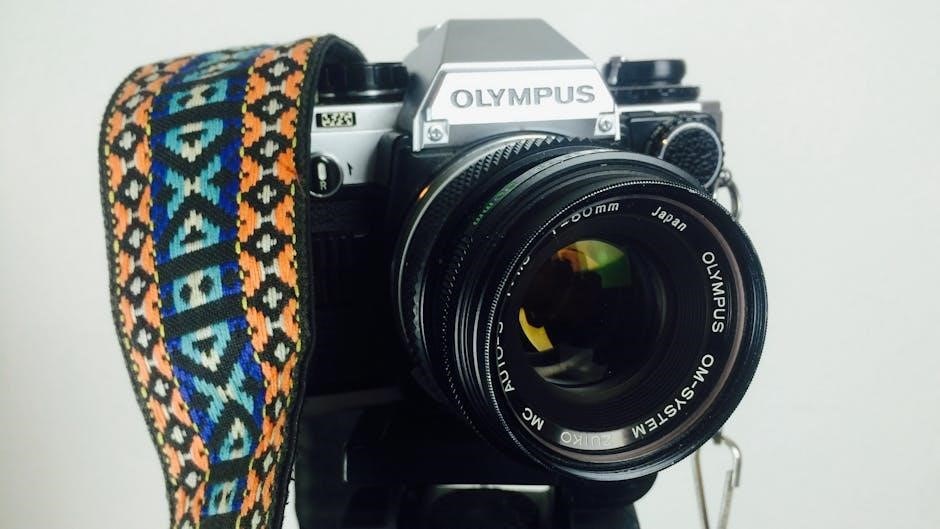
Olympus OM-10 Manual Adapter: A Comprehensive Guide
Adapters unlock a world of vintage lenses for your Olympus OM-10, like M42 screw mount options. These adapters offer cost-effective access to unique image characteristics.
Adapters are available from online retailers and local camera stores, with prices varying based on features and quality. Explore different lens designs with these versatile tools!
Adapting lenses to the Olympus OM-10 opens up a fascinating realm of photographic possibilities, allowing you to utilize a vast collection of vintage glass. The OM-10, while a fantastic camera in its own right, benefits immensely from the creative control and unique aesthetics offered by lenses from different systems.
This practice isn’t about limitations; it’s about expansion. The OM-10’s manual focus and aperture control are perfectly suited for use with adapted lenses, providing a tactile and engaging shooting experience. Popular choices include lenses with M42 screw mounts, originally used on cameras like the Zenit, offering renowned optics like Helios and Mir lenses.
Using an adapter allows you to bypass the cost of native Olympus OM mount lenses, which can be quite expensive today. It’s a gateway to exploring different lens designs and achieving distinctive image characteristics that modern lenses often lack. The OM-10 is compatible with a wide range of adapters, making it a versatile platform for experimentation.
Why Use a Manual Adapter with the OM-10?
Employing a manual adapter with your Olympus OM-10 unlocks several compelling advantages for photographers. Primarily, it dramatically expands your lens options, granting access to a diverse range of vintage lenses often unavailable in the native OM mount. This is particularly appealing for those seeking unique optical qualities and character.
Cost-effectiveness is another significant benefit. Vintage lenses, especially those with M42 mounts, are often considerably more affordable than modern alternatives, allowing you to build a lens collection without breaking the bank. Furthermore, using manual lenses encourages a more deliberate and thoughtful approach to photography, enhancing your skills.
The OM-10’s design complements manual focusing beautifully. Adapters allow you to explore lenses with distinct rendering styles, creating images with a unique aesthetic. It’s a fantastic way to experiment and discover new creative avenues, breathing new life into a classic camera.
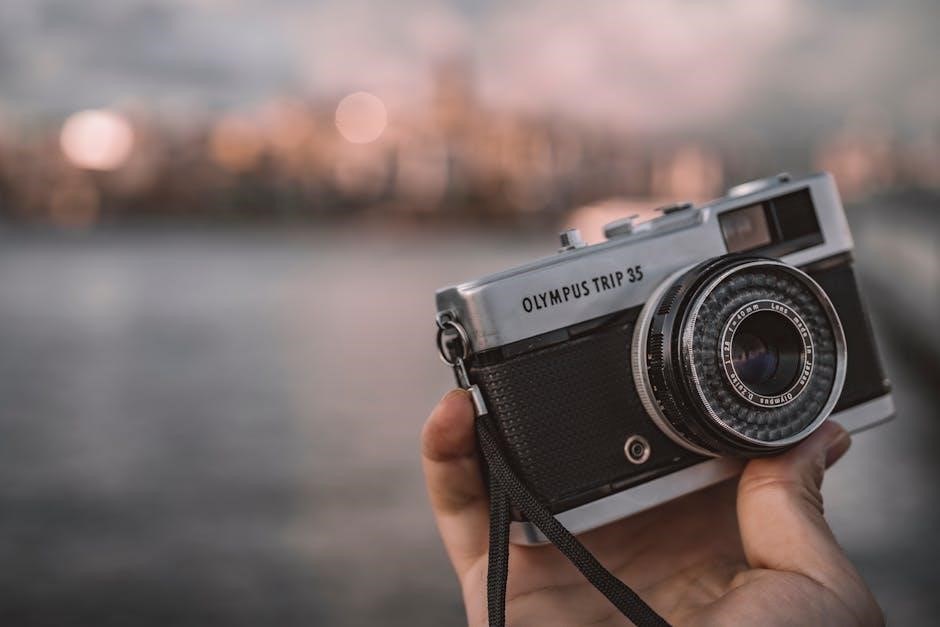
Understanding Lens Mounts and Compatibility
Olympus OM mount lenses are native, but adapters broaden horizons. The popular M42 screw mount is easily adapted, alongside Pentax K and Canon FD options.
Compatibility hinges on the adapter, ensuring a secure fit for diverse lenses on your OM-10.
The Olympus OM Mount System
Olympus’s OM mount, introduced in 1972, is renowned for its compact design and high-quality lenses. Cameras like the OM-1, OM-10, and OM-4 all utilize this bayonet mount, celebrated for its precision and reliability. The system prioritizes a shorter flange focal distance, contributing to lens compactness and optical performance.
Native Olympus OM lenses offer a seamless experience with the OM-10, providing full functionality including aperture control and focusing. However, the appeal of using adapters stems from accessing a wider range of lenses manufactured by other brands. While the OM mount is excellent, its lens selection can be limited and potentially expensive compared to more common mounts.
Understanding the OM mount’s specifications is crucial when selecting an adapter. Ensuring proper fit and compatibility is paramount for optimal results. The Olympus OM-10, being a partially electronic camera, generally handles adapted manual lenses well, though some features might be limited.
The M42 Screw Mount: A Popular Choice
The M42 screw mount is a historically significant and widely adopted lens mount, originally developed for early 35mm SLR cameras like those from Zenit. Its enduring popularity stems from the vast availability of affordable, high-quality lenses – such as Helios, Mir, and Industar – produced primarily in the Soviet Union. This makes it a compelling option for Olympus OM-10 users seeking budget-friendly vintage glass.
An M42 to Olympus OM adapter allows you to mount these lenses onto your OM-10, opening up a world of creative possibilities. While requiring manual focusing and aperture control, the unique character of M42 lenses is highly sought after. The screw mount’s universal nature means a single adapter can accommodate lenses from numerous manufacturers.
When using an M42 adapter, remember to account for the lack of automatic features. Precise focusing and aperture adjustments are key to achieving optimal results. The M42 mount remains a favorite among photographers exploring vintage lenses on modern or classic cameras like the OM-10.
Other Compatible Lens Mounts via Adapters
Beyond the prevalent M42 screw mount, the Olympus OM-10’s adaptability extends to other lens systems through dedicated adapters. Notably, Pentax K mount lenses can be utilized with a K-to-OM adapter, offering access to a diverse range of Pentax optics. Similarly, Canon FD mount lenses, known for their build quality, become compatible with an FD-to-OM adapter.
These adapters facilitate the use of lenses originally designed for different camera systems, expanding your creative options significantly. However, compatibility isn’t always guaranteed, and some lenses may exhibit limitations when adapted. It’s crucial to research specific lens and adapter combinations before purchasing.
Adapters for less common mounts also exist, though availability may be limited. Remember that using adapters generally necessitates manual operation of both focus and aperture. Exploring these alternative mounts unlocks a wider selection of vintage lenses for your Olympus OM-10.
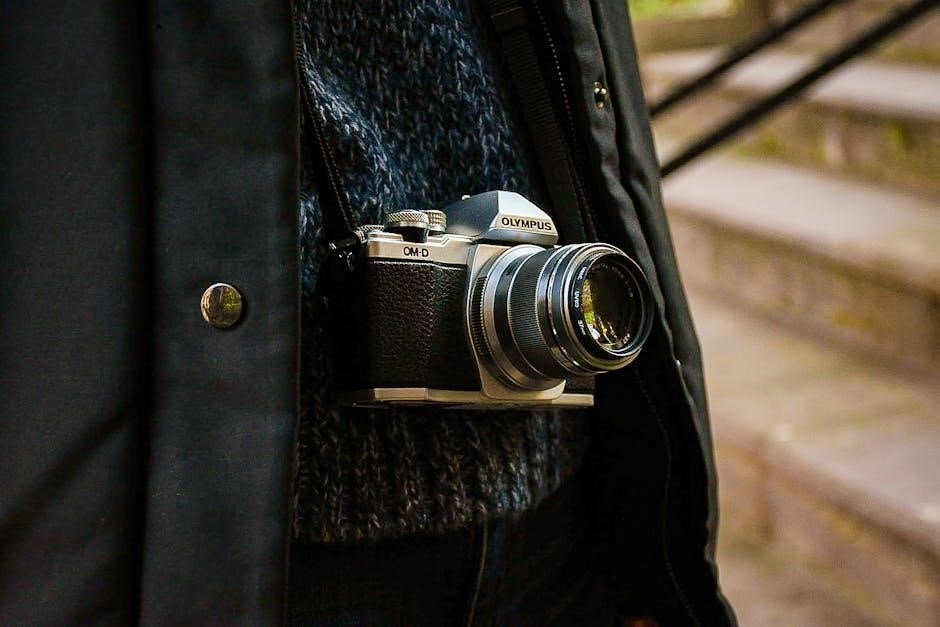
Types of Adapters for the Olympus OM-10
Adapters for the OM-10 range from simple M42 options to those supporting Pentax K and Canon FD mounts. Choices include versions with or without focusing aids.
Selecting the right adapter depends on your lens collection and desired features, impacting usability and image quality.
M42 to OM Adapter: The Most Common Option
The M42 to OM adapter stands as the most prevalent choice for Olympus OM-10 users seeking to expand their lens options. This popularity stems from the widespread availability and affordability of M42-mount lenses, often originating from classic Zenit cameras and brands like Helios, Mir, and Industar.
These adapters facilitate the use of these lenses on the OM-10, offering a pathway to explore unique optical characteristics and vintage aesthetics. Typically constructed from metal, these adapters provide a secure connection between the lens and camera body.
Basic M42 to OM adapters are generally inexpensive, while more sophisticated models incorporate features like built-in aperture control rings or focusing aids. When selecting an adapter, ensure a snug fit to prevent light leaks and maintain optimal image quality. The M42 mount’s universal thread makes it a versatile and accessible option for OM-10 photographers.
Adapters for Other Lens Systems (e.g., Pentax K, Canon FD)
Beyond the popular M42 mount, adapters exist to connect other lens systems to the Olympus OM-10, broadening creative possibilities. Pentax K and Canon FD lenses are frequently adapted, though these options may be less common and potentially more expensive than M42 adapters.
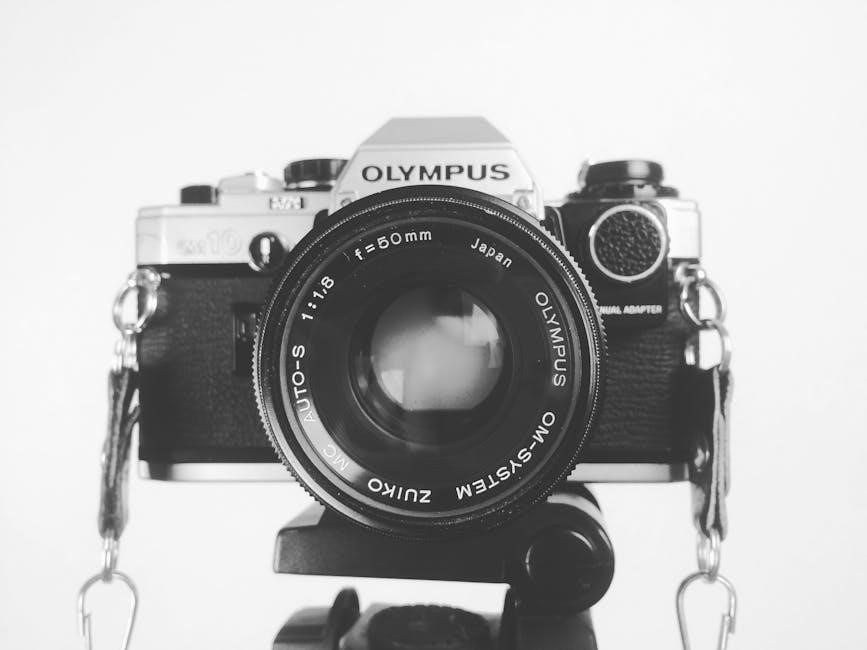
Using these adapters allows photographers to leverage the unique qualities of lenses from different manufacturers and eras. However, compatibility can vary, and some lenses may exhibit limitations when adapted, such as reduced functionality of aperture control or focusing mechanisms.
When considering adapters for Pentax K or Canon FD lenses, careful research is crucial to ensure proper fit and functionality with the OM-10. Features like aperture control rings integrated into the adapter can enhance usability. Always prioritize a secure connection to avoid light leaks and maintain image quality.
Adapters with or without Focusing Aids
Olympus OM-10 manual adapters come in two primary types: those with integrated focusing aids and those without. Basic adapters simply provide a mechanical connection, requiring reliance on the camera’s focusing screen and your skill. These are generally more affordable.
Adapters with focusing aids, such as split-image or microprism rings, can significantly ease focusing, particularly with older lenses lacking precise markings. These aids project a visual cue within the viewfinder when the image is in focus, improving accuracy.
The choice depends on your experience and budget. Experienced photographers comfortable with manual focusing may not need the aids. However, for those new to adapted lenses or seeking greater precision, an adapter with focusing assistance is a worthwhile investment. Consider the lens’s minimum focusing distance too.
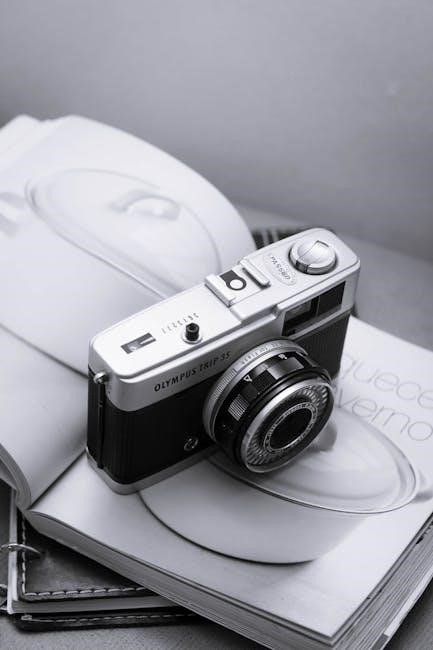
Installing and Using a Manual Adapter
Adapter installation is straightforward: mount the adapter to the camera, then carefully attach the lens. Precise aperture control and focusing techniques are key for optimal results.
Practice focusing and adjusting aperture settings to master adapted lenses on your Olympus OM-10!
Step-by-Step Adapter Installation Guide
Step 1: Preparation. Ensure both your Olympus OM-10 and the manual adapter are clean and free of dust. A clean connection prevents potential issues and ensures a secure fit. Gently inspect the adapter for any visible damage.
Step 2: Mounting the Adapter. Align the adapter with the lens mount on your OM-10. Rotate the adapter clockwise until it clicks firmly into place. Avoid excessive force; a smooth, secure fit is ideal. Double-check that the adapter is fully seated.
Step 3: Attaching the Lens. Carefully mount your vintage lens onto the adapter. For M42 lenses, gently screw the lens into the adapter until snug. Do not overtighten, as this could damage the threads. Ensure the lens is securely attached before proceeding.
Step 4: Final Check. Once the lens is mounted, gently test the connection. Verify that the lens doesn’t wobble or feel loose. A stable connection is crucial for accurate focusing and image quality. You are now ready to use your adapted lens!
Focusing Techniques with Adapted Lenses
Manual focusing is key when using adapters with your Olympus OM-10. Since autofocus is unavailable, rely on the focusing ring on your adapted lens. Utilize the OM-10’s split-image rangefinder in the viewfinder for precise focusing.
Slow and Steady. Rotate the focusing ring slowly while observing the split image in the viewfinder. When the image aligns perfectly, your subject is in focus. Practice makes perfect; it takes time to master manual focusing.
Depth of Field. Consider using a smaller aperture (higher f-number) to increase depth of field, making focusing less critical. This is particularly helpful for landscapes or group portraits. Experiment with different apertures to achieve your desired effect.
Magnification. If available, use live view magnification on compatible adapters for even finer focusing control. This allows you to zoom in on the image and ensure pinpoint sharpness. Remember patience is vital for optimal results!
Aperture Control on Adapted Lenses
Aperture control with adapted lenses on the Olympus OM-10 is entirely manual. The camera body won’t control the lens aperture automatically. You’ll adjust the aperture ring directly on the adapted lens itself.
Understanding the Ring. Locate the aperture ring on your lens and rotate it to select your desired f-stop. Remember smaller f-numbers (e.g., f/1.4) create shallow depth of field, while larger f-numbers (e.g., f/16) increase depth of field.
Metering in Manual Mode. Set your OM-10 to manual mode and use the camera’s built-in light meter as a guide. Adjust the aperture and shutter speed until the meter indicates proper exposure.
Stop-Down Metering. Some adapters may allow for stop-down metering, where you partially close the aperture to get an accurate reading. Practice and experimentation are key to mastering aperture control with adapted lenses!
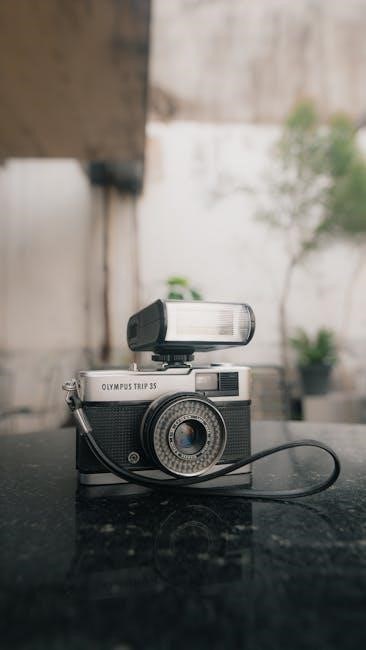
Specific Adapter Features and Considerations
Adapters come with focusing rings, aperture controls, or bubble levels for precision. Consider these features when choosing an Olympus OM-10 adapter for optimal results.
Carefully evaluate your needs and budget to select the best adapter for your vintage lens collection and photographic style.
Adapters with Focusing Rings
Adapters featuring integrated focusing rings provide a more familiar and intuitive focusing experience for Olympus OM-10 users transitioning from manual focus lenses. These rings directly control the lens’s focusing mechanism, allowing for precise adjustments without relying on the camera’s autofocus system – which, of course, is absent when using adapted lenses.
The quality of the focusing ring is crucial; smoother rings offer finer control, essential for critical sharpness. Some adapters boast larger diameter rings for easier grip and manipulation, particularly beneficial in cold weather or when wearing gloves. Consider the ring’s travel distance and tactile feedback – a well-defined resistance can aid in achieving accurate focus.
When selecting an adapter with a focusing ring, pay attention to its construction material and overall build quality. Metal rings generally offer greater durability and a more premium feel compared to plastic alternatives. Ensure the ring rotates smoothly and consistently throughout its entire range of motion. These adapters are particularly useful for photographers who prefer a direct, hands-on approach to focusing;
Adapters with Aperture Control Rings
Adapters equipped with aperture control rings offer significant convenience for Olympus OM-10 users, allowing direct adjustment of the lens’s aperture without needing to manipulate controls on the lens itself. This is particularly valuable when using older lenses that may lack easily accessible aperture settings. These rings typically feature a clear scale indicating f-stop values, enabling precise control over depth of field and light transmission.
The quality of the aperture ring’s mechanism is paramount; a smooth, clickless operation is preferred by many photographers for seamless exposure adjustments during shooting. Conversely, click-stopped rings provide tactile feedback, confirming each aperture increment. Consider your shooting style when choosing between these options.
When evaluating these adapters, ensure the aperture ring aligns correctly with the lens’s aperture mechanism and doesn’t exhibit any play or looseness. A well-constructed ring will offer a satisfying and reliable feel, enhancing the overall shooting experience with adapted lenses on your OM-10.
Adapters with Built-in Bubble Levels
Adapters featuring integrated bubble levels provide a practical solution for ensuring horizon alignment when using adapted lenses on the Olympus OM-10. This is especially useful with lenses lacking clear gridlines or when shooting handheld in landscapes or architectural settings. The bubble level offers a quick visual reference to confirm the camera’s orientation, minimizing post-processing adjustments needed to straighten images.
The placement and visibility of the bubble level are crucial considerations. Ideally, it should be positioned within easy view through the viewfinder, allowing for real-time adjustments. Some adapters offer adjustable levels, catering to individual preferences and shooting angles.
While not essential, a built-in bubble level can significantly streamline the shooting process and improve compositional accuracy. It’s a particularly valuable addition for photographers prioritizing precise framing and minimizing distortion in their images when utilizing vintage lenses with their OM-10.
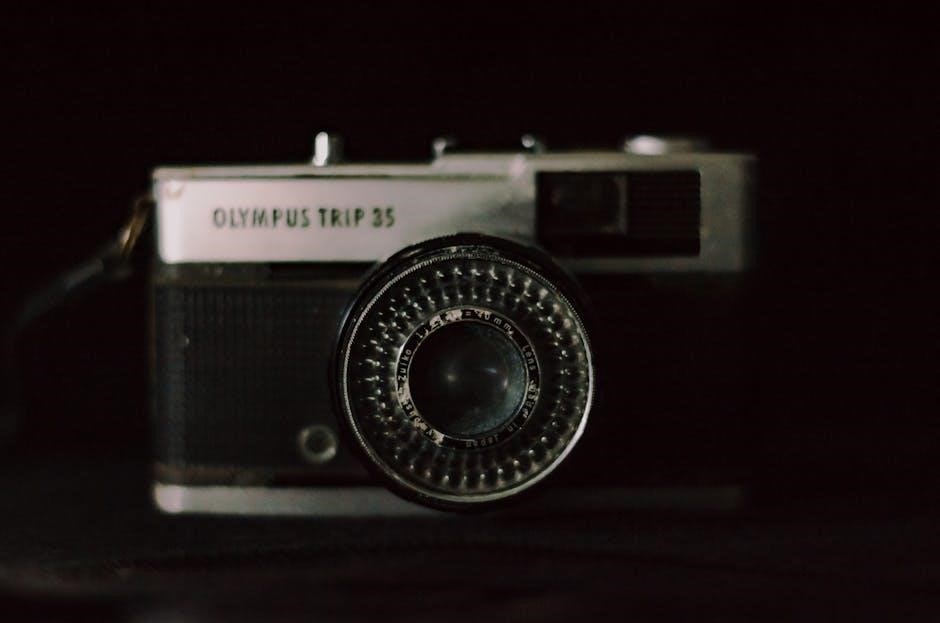
Troubleshooting Common Adapter Issues
Adapter problems include focusing difficulties, light leaks from poor fits, and lens incompatibility. Careful inspection and secure mounting are crucial for optimal Olympus OM-10 performance.
Focusing Difficulties with Adapted Lenses
Focusing adapted lenses on the Olympus OM-10 can present challenges due to the lack of autofocus confirmation. The primary issue stems from the absence of electronic communication between the lens and camera body. This necessitates relying entirely on manual focusing techniques, demanding patience and practice.
Several factors contribute to focusing inaccuracies. Adapter quality plays a significant role; loose or poorly manufactured adapters can introduce wobble, hindering precise focusing. Lens characteristics, such as maximum aperture and focal length, also impact depth of field and focusing ease. Utilizing focusing aids, like magnified live view (if available via a digital adapter) or a focusing screen with split-image or microprism features, can greatly improve accuracy.
Carefully observing the image in the viewfinder and making small adjustments to the focusing ring are essential. Practice with different lenses and lighting conditions will refine your technique. Remember to double-check focus, especially at wider apertures where depth of field is shallow. Some adapters include focusing rings to assist with precise adjustments.
Light Leaks and Adapter Fit
Light leaks are a potential concern when using adapters with the Olympus OM-10, often stemming from imperfect fits between the adapter, lens, and camera body. A snug, secure connection is crucial to prevent stray light from reaching the sensor or film plane, causing unwanted flares or washed-out areas in your images.
The quality of the adapter significantly impacts this issue. Cheaper adapters may exhibit manufacturing inconsistencies, leading to gaps or imprecise tolerances. Carefully inspect the adapter for any visible defects or looseness before mounting. Ensure the lens is fully seated and locked into the adapter, and the adapter is firmly attached to the camera body.
If light leaks persist, try a different adapter from a reputable manufacturer. Adding a small piece of black gaffer tape around the seam between the adapter and camera body can sometimes provide a temporary fix, but exercise caution to avoid damaging the camera or adapter; A proper fit is paramount for optimal results.
Compatibility Issues with Certain Lenses
While many lenses can be adapted to the Olympus OM-10, some compatibility issues may arise depending on the lens’s physical characteristics and design. Lenses with exceptionally large rear elements or unusual mounting flange distances might not fully clear the camera’s mirror box or internal components.
Older lenses, particularly those from less common manufacturers, may present challenges. It’s crucial to research specific lens models before purchasing an adapter to confirm reported compatibility. Some lenses may require shims or spacers to achieve proper focus, adding complexity to the setup;
Furthermore, certain adapters may not fully support all features of a particular lens. For example, some adapters lack aperture control mechanisms for lenses that originally had automatic diaphragms. Always verify the adapter’s specifications and user reviews to understand any potential limitations before investing.
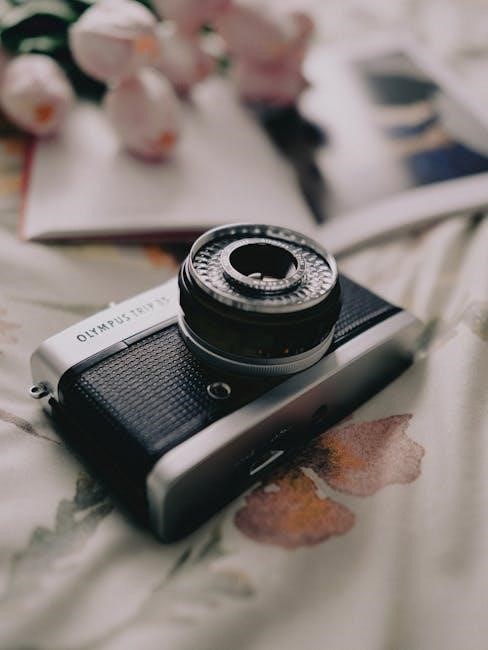
Where to Buy Olympus OM-10 Adapters
Adapters are readily available from specialized online retailers and local camera stores, including used markets. Price ranges vary significantly based on features and quality.
Explore options like FOTGA M42 adapters and manual adapters from Manuallens for your Olympus OM-10.
Online Retailers Specializing in Adapters
Numerous online retailers cater specifically to camera adapters, offering a diverse selection for the Olympus OM-10. These platforms often provide detailed product descriptions, customer reviews, and competitive pricing, making it easier to find the perfect adapter for your needs.
eBay is a popular marketplace with a vast inventory of both new and used adapters, including M42 to OM adapters and options for other lens systems like Pentax K and Canon FD. Amazon also carries a wide range of adapters, often with fast shipping options for Prime members.
Specialty photography websites, such as those focusing on vintage lenses and manual photography, frequently stock OM-10 adapters. These retailers often offer adapters with focusing aids or built-in bubble levels, catering to photographers seeking enhanced control and precision. When purchasing online, carefully review the seller’s reputation and return policy to ensure a smooth transaction. Consider adapters with or without aperture control rings based on your shooting preferences.
Local Camera Stores and Used Markets
Don’t overlook the potential of local camera stores and used markets when searching for an Olympus OM-10 manual adapter. These brick-and-mortar establishments often carry a curated selection of adapters, allowing you to physically inspect the item before purchasing. You can assess the build quality and ensure a proper fit for your camera.
Local stores may also offer expert advice and assistance, helping you choose the right adapter for your specific lenses and shooting style. Used markets, such as flea markets and antique shops, can be treasure troves for vintage adapters at bargain prices.
However, exercise caution when buying from used markets, carefully examining the adapter for any signs of damage or wear. Consider the potential for finding a used M42 adapter or other compatible options. Negotiating prices is often possible in these settings, potentially securing a great deal on a valuable accessory for your OM-10.
Price Ranges for Different Adapter Types
The cost of an Olympus OM-10 manual adapter varies significantly depending on the type and features. Basic M42 to OM adapters, the most common option, typically range from approximately 200 to 500 Ukrainian Hryvnias (UAH), or roughly $5 to $13 USD, depending on the vendor and condition.
Adapters for other lens systems, like Pentax K or Canon FD, generally command higher prices, often falling between 300 to 800 UAH ($8 to $21 USD). Adapters with additional features, such as built-in aperture control rings or focusing aids, can exceed 1000 UAH ($26 USD) or more.
Adapters with a chip for focusing assistance are usually more expensive than those without. Online retailers often offer competitive pricing, while local camera stores may have slightly higher prices but provide the benefit of in-person inspection and advice. Consider your budget and desired features when selecting an adapter.
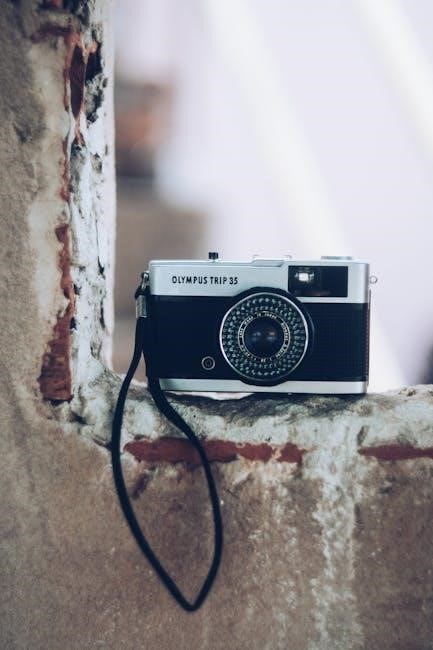
The Benefits of Using Vintage Lenses on the OM-10
Vintage lenses offer unique image characteristics and cost-effectiveness when paired with the Olympus OM-10 via adapters. Explore diverse lens designs!
Enjoy distinctive aesthetics and expand your creative possibilities with affordable, classic glass, enhancing your photographic journey.
Unique Image Characteristics
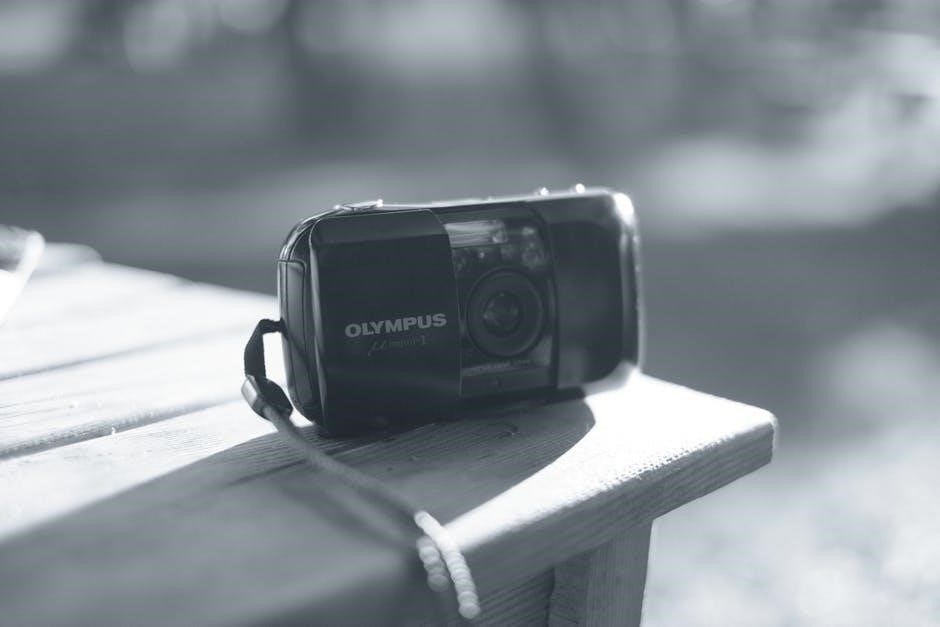
Adapting vintage lenses to your Olympus OM-10 unlocks a distinctive visual aesthetic often absent in modern optics. Lenses like the Helios, Mir, and Jupiter, commonly found with M42 mounts, impart a characteristic swirl or “bokeh” that’s highly sought after by photographers.
These older lenses frequently exhibit softer image rendering, lower contrast, and unique flare patterns, contributing to a more organic and film-like appearance. Unlike the clinical precision of contemporary lenses, vintage glass introduces subtle imperfections that add character and depth to your images. The optical formulas used in these lenses often prioritize artistic expression over absolute sharpness, resulting in images with a more painterly quality.
Furthermore, the varied coatings and glass types used in vintage lenses create unique color rendition and tonal qualities. Experimenting with different lenses allows you to discover a wide spectrum of visual styles, adding a personalized touch to your photography. This exploration is a key benefit of using an adapter with your OM-10.
Cost-Effectiveness of Vintage Glass
One of the most compelling reasons to utilize a manual adapter with your Olympus OM-10 is the affordability of vintage lenses. Compared to modern lenses, particularly those designed for mirrorless systems, older glass often represents exceptional value for money; Lenses like the Zenit series – Helios, Mir, Indushtar – can be acquired for a fraction of the cost of their contemporary counterparts.
This allows photographers to expand their lens collection without significant financial investment, experimenting with different focal lengths and optical characteristics. The used market is replete with these lenses, often available at remarkably low prices. Utilizing an M42 to Olympus adapter, for example, opens up a vast and affordable world of photographic possibilities.
Investing in an adapter is a relatively small expense that unlocks access to a wealth of quality optics, making vintage lenses a particularly attractive option for budget-conscious photographers or those new to lens exploration.
Exploring Different Lens Designs
Employing a manual adapter on your Olympus OM-10 isn’t just about saving money; it’s about accessing a diverse range of lens designs no longer commonly manufactured. Vintage lenses, particularly those from the mid-20th century, often feature unique optical formulas and construction techniques resulting in distinct image characteristics.
The M42 mount, readily adaptable to the OM-10, provides access to lenses with varying coatings, aperture blade counts, and overall optical philosophies. This allows photographers to experiment with different aesthetics – from the swirly bokeh of some Helios lenses to the sharp, contrasty images produced by others.
Exploring these designs fosters a deeper understanding of optics and photographic expression. It’s a chance to move beyond the standardized look of modern lenses and discover the creative potential inherent in older, often beautifully crafted, glass. The adapter becomes a portal to photographic history.