Brazilian Jiu-Jitsu Basics PDF Overview
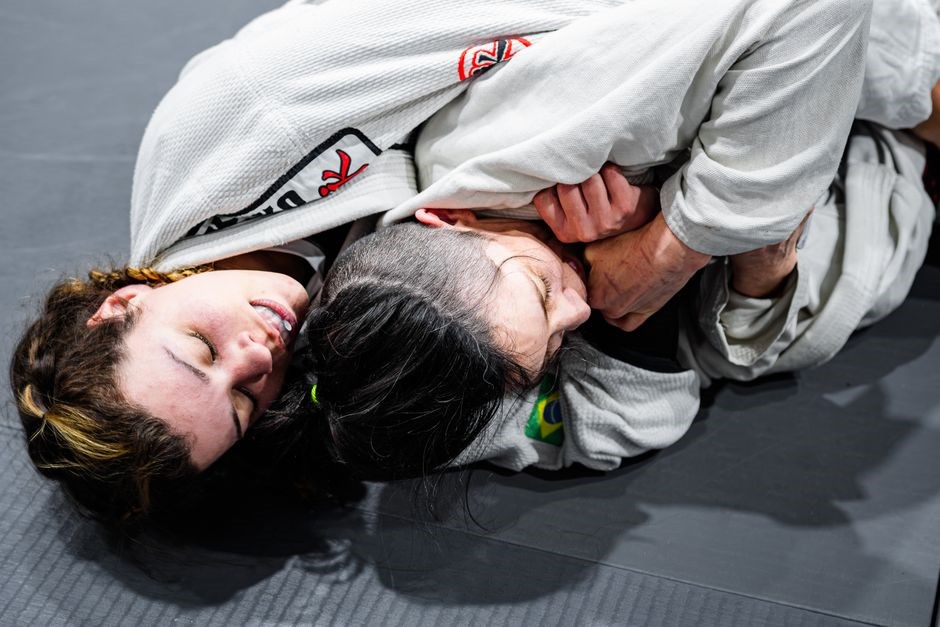
The PDF offers a concise primer on Brazilian Jiu‑Jitsu, covering core principles such as leverage, dominant positions, and foundational submissions. It outlines guard types, key escapes, and conditioning guidance, serving as a practical resource for beginners and seasoned practitioners alike. for all
Key Topics Covered in the PDF
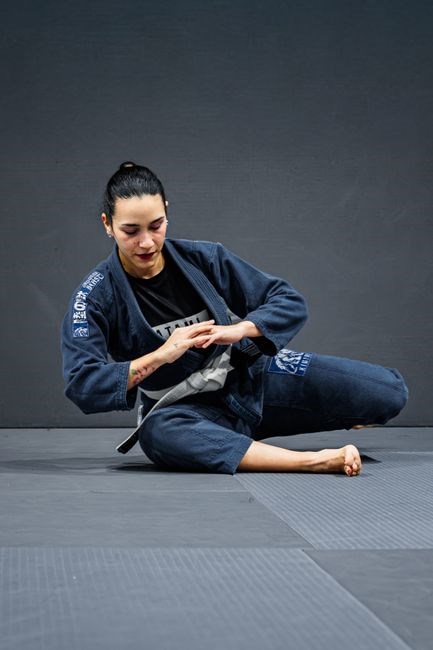
The accompanying PDF serves as a foundational guide for those venturing into Brazilian Jiu‑Jitsu, offering a structured overview that balances theory with practical application. It begins by contextualizing the art’s origins, tracing its evolution from traditional Japanese jujutsu to the modern grappling discipline practiced worldwide. Readers are introduced to the core philosophy of BJJ—leveraging technique over brute strength—highlighting how this principle enables practitioners of all sizes to effectively neutralize opponents. The document then outlines the essential training framework, detailing the progression from basic stance and grip work to advanced positional drills, and emphasizes the importance of a solid base for maintaining control on the mat. A significant portion is devoted to explaining the mechanics of joint locks and chokeholds, illustrating how biomechanical principles translate into effective submissions while ensuring safety and proper technique. Additionally, the PDF covers the integration of striking elements, such as punches, throws, and kicks, into a comprehensive fight strategy, underscoring the hybrid nature of BJJ within mixed‑martial‑arts contexts. The guide also addresses conditioning, recommending specific strength and mobility exercises that complement grappling skills and enhance overall performance. The guide offers guidance on gear selection, recommending appropriate gi and protective equipment for beginners, and outlines safety protocols to minimize injury risk during practice. It encourages setting measurable goals and tracking progress, suggesting weekly review sessions to reinforce learning. Community engagement is highlighted, with advice on finding local academies, attending seminars, and connecting with experienced instructors to foster continuous improvement. Moreover, the PDF discusses the importance of mental resilience, teaching practitioners to maintain focus under pressure and to view setbacks as learning opportunities. It concludes with a brief overview of the certification process within various BJJ organizations, giving readers insight into how the PDF’s content aligns with belt promotion criteria Readers can also explore related videos
Ground Fighting Fundamentals and Leverage
In Brazilian Jiu‑Jitsu, ground combat is the arena where technique triumphs over size. The PDF emphasizes that the first step to dominance is establishing a strong base—feet planted, hips low, and spine aligned. By keeping the center of gravity centered over the opponent’s, a practitioner can shift weight with minimal effort. Leverage is achieved through controlled hip movement; moving the hips out of the opponent’s reach creates space for attacks or escapes. The guide explains that a proper grip—hands inside the opponent’s frame—provides the mechanical advantage needed to manipulate joints. It also details how to use body weight as a fulcrum, turning small adjustments into large force applications. The document stresses the importance of breathing rhythm; exhaling during forceful movements helps maintain tension and prevents fatigue. Additionally, it covers the concept of “weight transfer,” showing how to move weight from one side of the body to the other to unbalance an opponent. The PDF also introduces the idea of “pressure points” on the torso and limbs, illustrating how applying pressure can control movement without excessive force. Practitioners are taught to maintain a neutral spine, avoiding over‑extension that could lead to injury. Finally, the guide outlines a systematic approach to drilling these fundamentals, encouraging repetition until muscle memory develops. This foundation prepares students for more advanced positional work later in the curriculum. Review sessions reinforce core concepts!!
Primary Positions: Mount, Guard, and Rear Mount
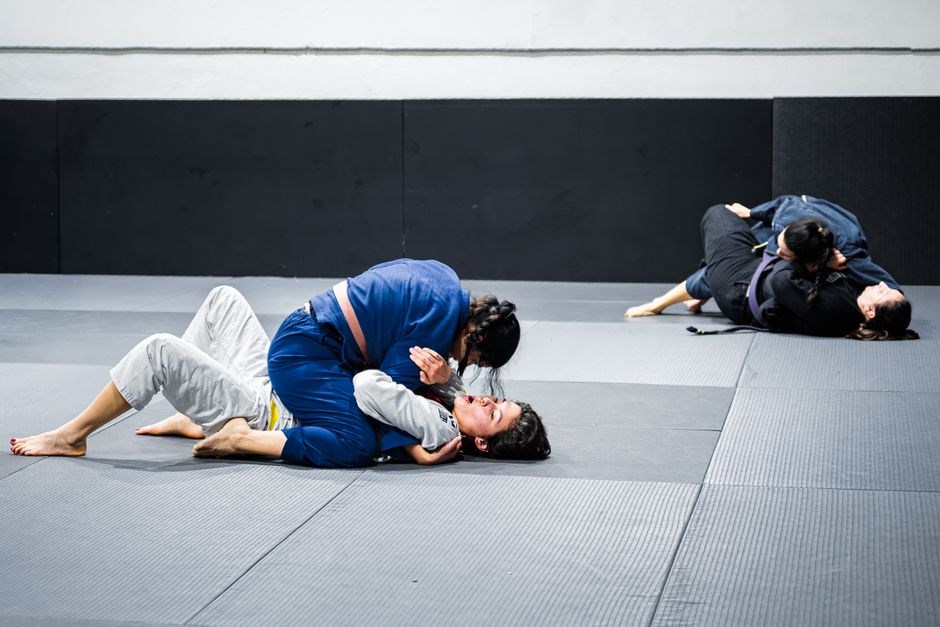
Mount is the most dominant stance, offering control and attack angles. The PDF explains that to secure mount, a practitioner must first neutralize the opponent’s base, then slide into the center of the chest, keeping knees bent and feet flat. From this position, the top player can apply pressure with hips and shoulders, limiting the opponent’s movement. The guide details how to maintain a stable base by keeping the weight centered over the opponent’s hips, using the shin as a barrier to prevent escape. Guard, the defensive posture, is divided into closed, open, and half‑guard. The document emphasizes that closed guard allows control of the opponent’s posture, while open guard offers mobility for sweeps and submissions. Half‑guard is a transitional state where the bottom player uses one leg to trap the opponent’s leg, creating leverage for sweeps. The PDF illustrates guard passing techniques, such as the knee‑slice and the over‑under pass, highlighting the importance of posture and timing. Rear mount, the second most powerful position, is achieved by isolating the opponent’s back. The guide shows how to secure the back by placing hooks inside the opponent’s thighs, then locking the collar or sleeve. From rear mount, the practitioner can apply chokes or joint locks, while the opponent must defend by maintaining a tight posture and protecting the neck. The PDF stresses that mastering transitions between these positions is key to a well‑rounded game, encouraging drills that focus on moving from guard to mount, mount to rear mount, and vice versa. Continuous practice of these fundamentals builds confidence and technical proficiency for competitive success. The PDF also recommends integrating breathing drills to enhance endurance, ensuring that practitioners can sustain pressure throughout prolonged engagements!!!
Escapes and Positioning Techniques
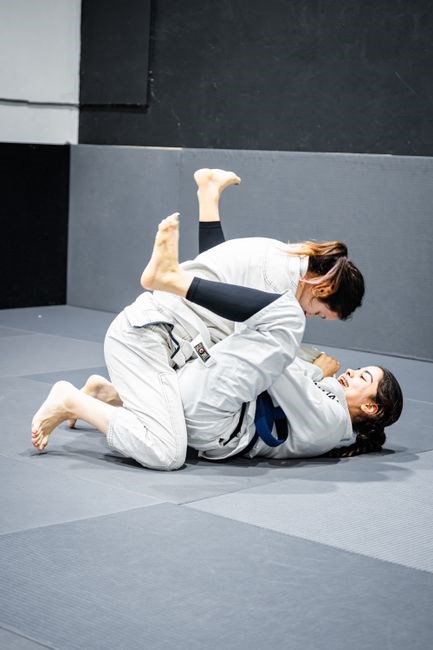
In Brazilian Jiu‑Jitsu, the ability to escape from inferior positions and to position oneself advantageously is as critical as offensive techniques. The PDF outlines a systematic approach to escaping from mount, guard, and rear‑mount, emphasizing posture, hand placement, and timing. For mount escapes, the top player is instructed to create space by framing the opponent’s shoulders with forearms, then performing a hip escape (shrimp) to slide the hips out of the mount. The guide details the “elbow escape” where the bottom player uses the elbow to pry the top’s knee away, followed by a bridge to regain guard. From guard, the PDF focuses on the “pivotal guard pass” where the bottom player uses a knee‑slice to collapse the opponent’s posture, then steps over the leg to secure a half‑guard or full‑guard position. The document also covers the “leg‑drag” method to neutralize a standing guard, allowing the top player to transition to a more dominant stance. Rear‑mount escapes are presented through the “back‑control break” technique, where the bottom player protects the neck, uses a shoulder roll, and slides the hips to create a gap. The PDF stresses the importance of maintaining a low center of gravity and using the hips as a fulcrum to generate leverage. Positioning techniques are interwoven with these escapes, teaching practitioners how to use frames, grips, and body angles to control the opponent’s movement. The guide recommends drills that practice these escapes in a live setting, reinforcing muscle memory and reaction time. now today
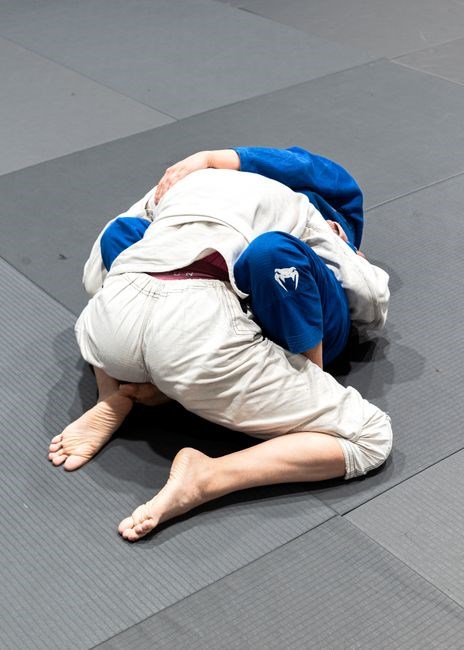
Guard Styles: Closed, Open, and Half Guard
The PDF presents guard as the core of BJJ strategy, detailing three primary variations—closed, open, and half—each with distinct tactical benefits. Closed guard is described as a “base” that keeps the practitioner’s center of gravity low, controls the opponent’s posture, and sets up submissions such as the armbar or triangle. The guide stresses maintaining tight grips on the opponent’s gi sleeves and collar, using the legs to create a “safety net” that limits forward movement. Open guard is portrayed as a dynamic posture that allows rapid transitions to sweeps or submissions. The PDF explains how to manipulate the opponent’s hips and leverage the legs to create angles, citing the “scissor sweep” and “elbow sweep” as key examples. Half guard sits between closed and open guard, offering a hybrid approach to counter a full guard or to pass to a dominant position. The document details the “knee‑slice” and “under‑hook” passes, illustrating how to collapse the opponent’s posture and gain hip control. Throughout, the PDF stresses footwork, grip discipline, and timing, noting that mastery of these guard styles is essential for both defensive resilience and offensive potency. The guide recommends drills that focus on maintaining guard integrity under pressure, ensuring smooth transitions between styles during live rolling sessions. This comprehensive overview equips students with the foundational knowledge to adapt their guard strategy to any opponent or scenario, fostering a deeper understanding of BJJ fundamentals.
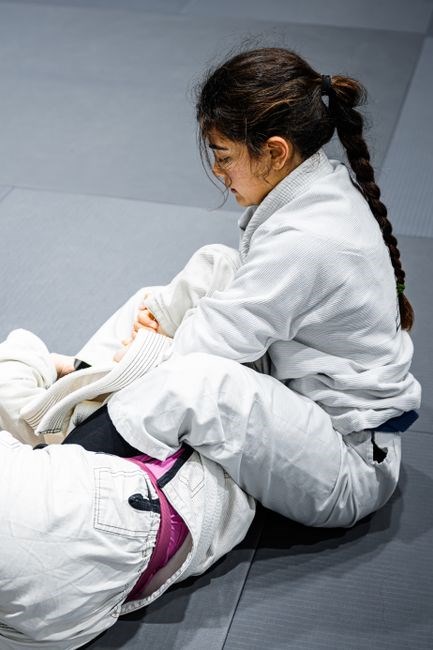
Guard Passes and Sweeps Explained
The PDF breaks down guard passing into three core categories: top control, side control, and mount. It highlights the knee‑slice pass as a foundational move, emphasizing the importance of keeping the opponent’s hips pinned while advancing the knee over the guard. The over‑under pass is described next, with a focus on creating a “bridge” to collapse the guard and slide the knee under the opponent’s leg. The document also covers the torre pass, noting how to use a “double‑under” grip to swing the opponent’s leg and gain side control. For sweeps, the guide presents the scissor sweep as a classic counter to closed guard, detailing the timing of hip bump and leg placement to flip the opponent. It also explains the butterfly sweep, stressing the role of the “under‑hook” and the “over‑hook” to lift the opponent’s hips. The PDF stresses that effective passing and sweeping require a combination of posture control, grip discipline, and timing. It recommends drills that alternate between passing and sweeping to build muscle memory, ensuring that practitioners can fluidly transition from a defensive guard to an offensive position during live rolling. The section concludes with a note on adapting passes to different opponent sizes, encouraging practitioners to experiment with angles and weight distribution to find the most effective technique for their body type.
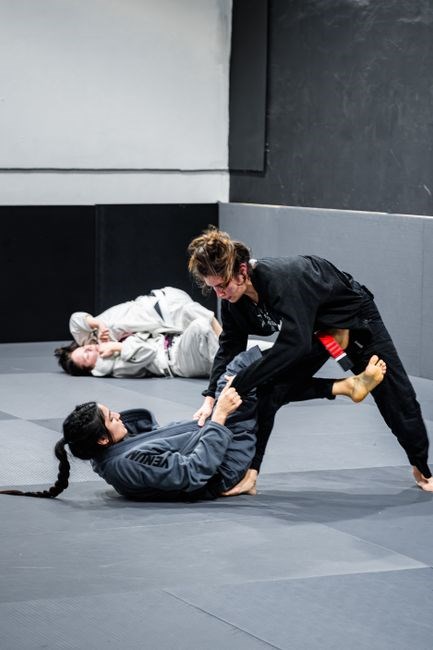
The PDF also emphasizes the importance of integrating guard passes with positional drills, suggesting that practitioners alternate between passing drills and guard retention exercises to build a well‑rounded skill set. It advises practicing passes from both the top and bottom positions, using live sparring to test timing and adaptability. The guide recommends recording training sessions to analyze posture, grip placement, and transition efficiency, allowing athletes to identify weak points and adjust their technique accordingly. Finally, the PDF stresses the value of consistency, encouraging daily practice of passes and sweeps to develop muscle memory and improve overall performance on the mat. Builds confidence.
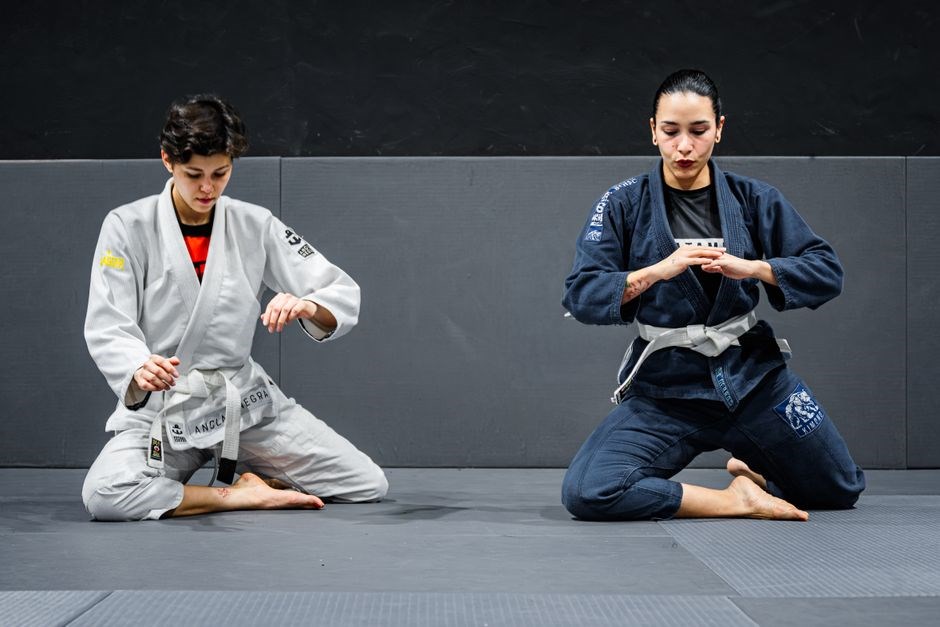
Strength & Conditioning for BJJ Practice
The PDF outlines a structured conditioning program tailored for Brazilian Jiu‑Jitsu athletes. It recommends a four‑phase approach: mobility, core stability, functional strength, and endurance. Mobility drills focus on hip flexor releases, thoracic rotations, and ankle dorsiflexion to improve guard retention and guard passing. Core stability exercises such as planks, side planks, and bird‑dogs build the foundation for maintaining posture during transitions. Functional strength is emphasized through compound lifts—deadlifts, squats, and kettlebell swings—alongside body‑weight movements like push‑ups, pull‑ups, and kettlebell swings to replicate grappling forces. Endurance training includes interval circuits, circuit conditioning, and sustained isometric holds to simulate the metabolic demands of live rolling. The PDF stresses periodization, suggesting a 12‑week cycle with progressive overload and deload weeks. It also advises incorporating grip strength work, using towel pulls, farmer’s walks, and plate pinches. Recovery protocols such as foam rolling, dynamic stretching, and adequate protein intake are highlighted to support muscle repair. The guide concludes by encouraging athletes to track metrics—sets, reps, and heart‑rate zones—to monitor progress and adjust intensity. By following this structured plan, practitioners can enhance explosiveness, resilience, and overall performance on the mat. Training consistency, combined with progressive overload, ensures long‑term gains and resilience!!!
The PDF delineates a pathway for belt advancement, emphasizing technical proficiency and criteria. It begins with the white belt, where students must master posture, guard retention, and escapes such as the hip escape and bridge. Progression to the blue belt requires practice of guard passes, mount control, and at least one submission—armbar or triangle—executed with mechanics. The guide recommends 12 months of training before a formal assessment. For the purple belt, the focus shifts to guard variations (closed, open, half) and sweeping multiple opponents. Students should demonstrate a repertoire of chokes, including rear‑mount and guillotine, and exhibit transitions. Assessment includes a rolling session where the practitioner must secure a submission or pass within a set time. The brown belt stage introduces game‑plan development and timing. The PDF advises instructors to evaluate a student’s ability to anticipate, maintain positional control, and execute sweeps. Finally, the black belt assessment emphasizes techniques, an understanding of leverage, the ability to teach fundamentals to belts. Across all levels, the PDF stresses the importance of a regimen that incorporates strength conditioning, mobility work, and mental focus. Instructors are encouraged to use a rubric that scores technical execution, positional control, and submission effectiveness, ensuring transparent belt promotions. This ensures that belt promotions reflect skill development and dedication. Students encourage! to review the PDF to reinforce concepts track progress.!
Downloading and Using the PDF Resource

To access the Brazilian Jiu‑Jitsu Basics PDF, visit reputable sites such as OceanofPDF.com or the Internet Archive. The file is available in PDF format and can be downloaded directly or streamed online. Once downloaded, open the document with any standard PDF reader—Adobe Acrobat Reader, Foxit, or built‑in browser viewers. The guide is organized into clear sections: introduction, positions, submissions, guard styles, and conditioning. For optimal study, print the pages or use a tablet with a stylus to annotate. Highlight key points, such as guard passes and escape sequences, and create flashcards for quick recall. The PDF also includes a checklist for belt progression; use it to track your progress by marking completed techniques. When integrating the PDF into training, schedule dedicated study sessions before rolling sessions. Review a section, then practice the moves in live drills to reinforce muscle memory. Additionally, the PDF offers links to supplementary videos; watch these to visualize techniques before attempting them on the mat. If you encounter any formatting issues, use the “Save as” feature to convert the PDF to a more compatible format. Finally, keep the PDF updated by downloading newer editions when available, ensuring you stay current with evolving BJJ standards and terminology. This systematic approach guarantees that your study remains structured, comprehensive, and directly applicable to your training routine.
Common Beginner Mistakes and How to Avoid Them
Novice practitioners often fall into a handful of pitfalls that hinder progress. One frequent error is neglecting base and posture; many rush into attacks without securing a stable stance, making them vulnerable to counters. To counter this, focus on maintaining a low, wide stance and keeping the hips centered. Another mistake is overreliance on strength; BJJ rewards technique over brute force. Replace muscle‑driven movements with smooth, lever‑based transitions. Beginners also tend to grip too tightly, which wastes energy and limits flexibility. Practice light, controlled grips and release when the opponent’s balance shifts. A common oversight is ignoring guard discipline; many attempt advanced submissions from an open guard without first mastering closed‑guard fundamentals. Prioritize guard retention drills, before advancing. Additionally, many novices ignore the importance of breathing; shallow, rapid breaths increase fatigue. Incorporate diaphragmatic breathing into every drill. Finally, some skip conditioning; a weak core and poor cardio impede endurance on the mat. Integrate targeted strength and conditioning routines, such as planks, burpees, and interval training, to build resilience. By addressing these mistakes early, students can build a solid foundation that supports long‑term growth and reduces injury risk.
Remember, consistency beats talent; review the PDF daily, practice drills, and let leverage guide every move you make on mat growth!!

Integrating PDF Study into Training Sessions
To maximize the value of the Brazilian Jiu‑Jitsu Basics PDF, align study sessions with live practice. Begin each class by reviewing a specific section—such as guard passes or submissions—then immediately drill the concepts on the mat. Use the PDF’s step‑by‑step diagrams as a visual cue while you execute movements, ensuring that the technical language matches the physical execution. Record your own sessions and compare them to the PDF’s illustrated examples; this feedback loop sharpens technique and highlights gaps. Schedule weekly “PDF review” blocks outside of regular training, dedicating 20–30 minutes to reading, annotating, and summarizing key points. Pair this with a partner drill that focuses on the same principles, reinforcing muscle memory. After each session, write a brief reflection on what was learned, what was challenging, and how the PDF’s guidance helped resolve issues. Over time, this systematic approach turns passive reading into active skill acquisition, allowing you to progress through belt levels with confidence consistency. Consistency is key; treat PDF as a living companion that evolves with your training, not a static reference. By consistently integrating the PDF’s structured guidance into your daily training routine, you create a feedback loop that reinforces proper technique, corrects common errors, and accelerates skill development, ultimately enabling you to navigate belt promotions with confidence and a deeper appreciation for the art’s strategic depth.